Abstract
PedidosYa has huge reach, a 4.6★ lifetime rating, and 87,896,975 installs as of 2026-10-05, but recent reviews expose a real gap around failed orders, refunds, payment blocks, cold deliveries, broken support, misleading promos, and poor search; the catch is that a solo builder should not try to clone a full delivery marketplace.


Background
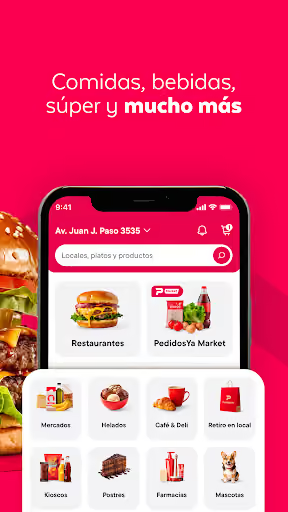
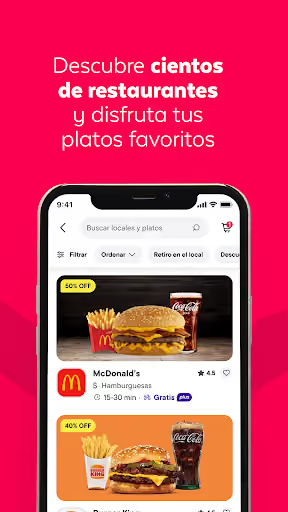
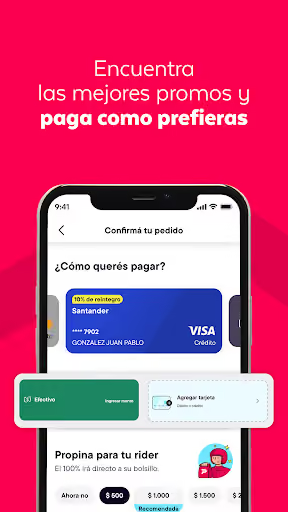
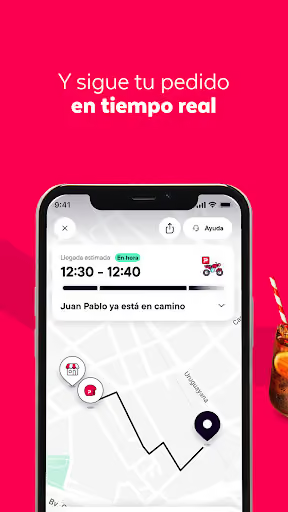
PedidosYa - Delivery Online is a free delivery marketplace for restaurants, supermarkets, pharmacies, and local stores across much of Latin America, with Plus benefits, tracking, promotions, and multiple payment options.
What it does
Aggregates restaurants and shops, takes orders, supports payments, tracks riders, and sells membership-style delivery benefits.
What changed
Recent reviewers describe support becoming unreachable, refunds being delayed or forced into the app wallet, cards being blocked, coupons failing, and orders arriving late, cold, wrong, or not at all.
Why it is soft
Users explicitly mention switching to Uber Eats, Rappi, DiDi, Yummy, or ordering directly from restaurants, so the dissatisfaction is not theoretical; they are naming alternatives.
Strengths
This is not a weak incumbent. PedidosYa still has massive distribution, broad merchant coverage, payments, rider logistics, a recognizable brand, and a high lifetime rating; a few reviewers still praise delivery times, the improved map, useful promos, and Plus value for frequent buyers.
Installed habit
Tens of millions of installs mean many users already open PedidosYa by default when they are hungry or need groceries.
Supply density
Restaurants, markets, pharmacies, and chain partners are already integrated, which is the part a new marketplace cannot simply code.
Product breadth
Tracking, payment methods, refunds, promotions, subscriptions, and catalogs are all difficult surface area for a solo entrant to match.
Market gap
The complaint pattern is broad, but the strongest wedge is not “build another PedidosYa”; it is “help people order from trustworthy nearby merchants without opaque custody of their money or unreachable support.”
Support and refunds
The most common complaint theme is that something goes wrong and the user cannot reach a real agent, cannot reopen a claim, receives only a coupon, or waits days for money.
Late, cold, or stacked delivery
Reviewers complain about riders carrying multiple orders, long waits before assignment, misleading ETAs, closed stores accepting orders, and food arriving cold.
Payment and subscription trust
Several users describe card rejection, international card problems, accidental Plus charges, blocked payment methods, and refunds routed to wallet credit instead of the selected method.
Search, coupons, and pricing
Users say search favors ads or suggestions over the exact restaurant, coupons do not work, prices are higher than the store menu, and restaurant availability is inconsistent.
Mi pedido se estaba demorando más de una hora y es imposible contactar con un agente de soporte. Han eliminado la opción de chatear con atención al cliente, es decepcionante en lo que se ha convertido.
Actualización 18 de Abril 2026: Siguen tomando más de 1 pedido a la vez, paseando la comida de uno para que se enfríe. Ultimamente les ha dado por asignar más de 1 pedido a cada mensajero, y para colmo en rutas que se desvían. Imaginen su comida ya preparada enfriándose y paseando por toda la ciudad. Luego de que me pasara varias veces consecutivas, en las que además se retrasaba la hora de entrega original, decidí no volver a usar más nunca la app. He cambiado a Uber Eats y ya no me pasa esto.
Al realizar la búsqueda de un restaurante, si este está cerrado lo descarta, pone cientos de sugerencias y el de la búsqueda lo pone de último.. A veces hay locales que cierran momentáneamente y abren a los minutos y es molesto buscar manualmente y el buscador de la app este de adorno. . El restaurante buscado debería ser el primero en aparecer este abierto o cerrado. Y abajo de él todas las sugerencias de locales que deseen. actualización: No dan respuesta, cierran casos de reclamo sin aviso.
- Do not hold customer funds. A solo app should route orders directly to the restaurant by phone, WhatsApp, or web link, making the merchant responsible for payment and fulfillment instead of recreating PedidosYa’s refund burden.
- Start with one neighborhood and verified merchants. The gap is trust and accuracy, so manually verified hours, menu prices, contact methods, and delivery availability matter more than a giant catalog.
- Make search honest and boring. If a user searches a restaurant, show that restaurant first, even if closed; clearly label fees, unavailable items, cancellation windows, and who to contact when something breaks.
Build complexity
Estimated, not derived: one developer, part-time, no funding, and no paid acquisition. This is not a full delivery network; it is a direct-order local alternative that avoids rider dispatch and payment custody.
| Workstream | Weeks |
|---|---|
| Consumer app: search, merchant pages, menus, favorites, direct-order handoff | 3 |
| Merchant self-serve: profile, hours, menu, links, availability | 3 |
| Issue trail: order notes, contact log, complaint routing, status history | 2 |
| Merchant subscription billing and access control | 2 |
| Admin tools: verification, moderation, featured listings, abuse handling | 2 |
| Android QA, privacy, store listing, analytics, crash handling | 2 |
| Pilot onboarding materials and local launch workflow | 2 |
| Total | 16 |
Expected revenue
Estimated, not derived: consumers use it free; restaurants pay $29/month for a verified direct-order profile, menu, contact links, and issue-history tools. With no paid acquisition, month-12 revenue depends on local outbound and word of mouth, not app-store scale.
| Month 12, monthly funnel | Estimate | Assumption |
|---|---|---|
| Installs | 180 | Restaurant-owner installs from local outreach and referrals |
| Activated | 80 | Completed merchant profile with menu or order link |
| Retained | 40 | Still receiving direct-order leads after the first month |
| Paid | 24 | Verified merchants paying $29/month |
| Revenue | $700 | Rounded from 24 × $29/month |
Biggest challenges
The hard part is not the Android app; it is earning local trust without a known brand, convincing restaurants to maintain accurate information, and avoiding the operational trap that made users angry at PedidosYa in the first place.
Two-sided cold start
Consumers will not open the app without merchants; merchants will not pay without consumer leads.
No official data feed
Menus, hours, prices, and delivery availability must be collected and verified manually unless each merchant cooperates.
Support promise risk
If you promise human help, you become the support desk; if you do not, you fail the exact gap users are complaining about.
AI angle
There is a genuine but limited AI angle: AI can make merchant onboarding cheaper by turning menu photos, pasted WhatsApp menus, and messy price lists into structured catalog entries, and it can draft support summaries from customer issue logs. It does not solve delivery logistics, refunds, or marketplace trust.
Useful AI assist
Menu parsing, duplicate item cleanup, Spanish/English description cleanup, and complaint summarization can reduce manual admin time.
Not a moat
PedidosYa could also use AI; the differentiation is local verification and direct accountability, not a model feature.
Conclusion
Skip it. Do not build a full PedidosYa competitor as a solo developer: logistics, payments, refunds, merchant supply, and support are too operationally heavy. The only buildable wedge is a narrow neighborhood direct-order app, and even that is a modest, local-services business rather than a venture-scale marketplace.
Time to v1
Merchant subscription; consumers free
Month-12 revenue estimate
Complaint that defines the wedge