Abstract
Careem’s recent negative reviews show a real trust gap around surprise charges, failed refunds, driver behavior, cold food, and Careem Plus changes, but a solo builder should not try to clone the super-app; the only realistic wedge is a tiny local delivery product that wins on transparent pricing and human dispute handling.

Background
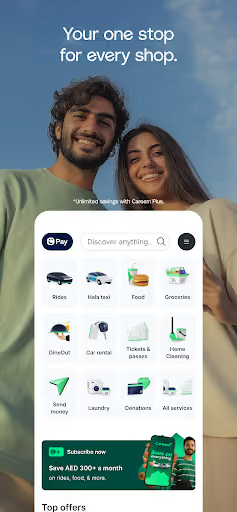
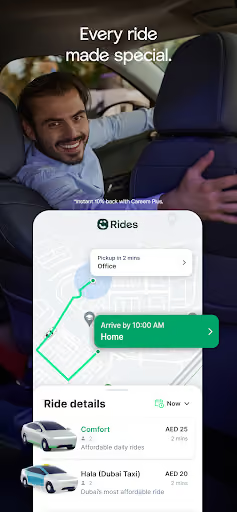
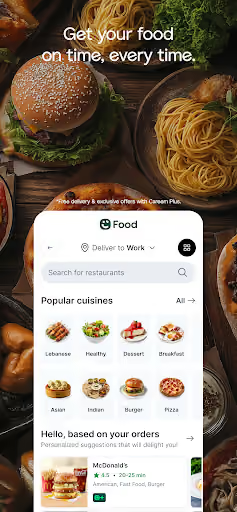
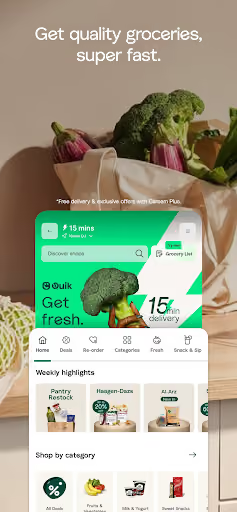
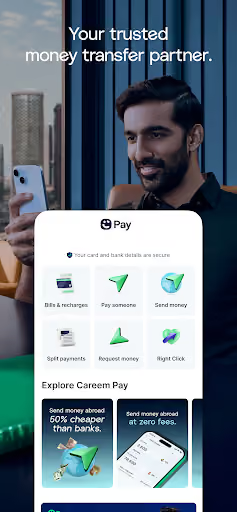
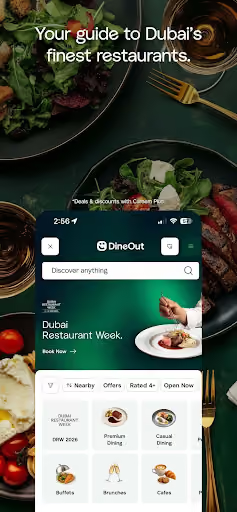
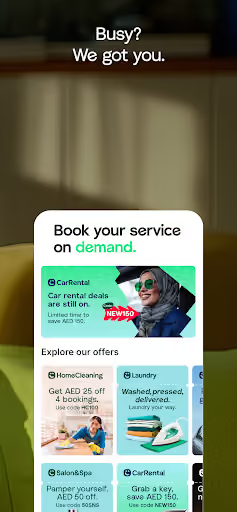
Careem: Taxi, Food & Delivery is a free MENA “everything app” for rides, food, groceries, payments, money transfers, home services, scooters, bikes, and Careem Plus. It has a 4.1★ lifetime Play rating and installs listed from 64,112,771 on 2026-08-06 to 64,882,567 on 2026-10-20, so this is not a dying app — it is a huge incumbent with frustrated users.
What it does
Rides, food, groceries, quick delivery, payments, money transfers, and services across UAE, KSA, Jordan, Egypt, Iraq, Kuwait, Morocco, and Bahrain.
What changed
Reviewers complain that pricing, deposits, subscriptions, promo rules, refunds, and cancellation fees feel less predictable than before.
Why it is soft
The weakness is trust, not demand: people still need taxis and delivery, but many no longer trust the app to resolve failures fairly.
Strengths
Careem still has major advantages a solo builder cannot copy: a large installed base, a familiar regional brand, many service categories in one app, existing captains, payment rails, and daily-use habits. Some negative reviewers even identify themselves as long-time users or Careem Plus subscribers, which means the habit exists even when trust is damaged.
Scale moat
The install figures are still large and rising across the provided period; a new app starts with no passengers, couriers, restaurants, or reviews.
Breadth moat
Careem bundles rides, food, groceries, payments, and services, making it convenient even for users unhappy with one category.
Operational moat
Rides, food delivery, money transfer, and wallets require real-world operations, fraud handling, compliance, and support — not just screens.
Market gap
The complaints cluster around trust failures more than missing features. The market gap is real, but it points to a narrow, transparent local-service wedge rather than a full Careem clone.
Surprise charges and refunds
The most common complaint theme is being charged after cancellations, wrong deliveries, card holds, deposits, fare changes, tolls, wallet refunds, or unresolved refund promises.
Support that feels scripted
Many reviewers describe copy-paste replies, no phone line, slow responses, closed tickets, or policies that block refunds even when evidence is provided.
Driver and delivery reliability
Ride users report cancellations, wrong pickup locations, drivers not arriving, cash-payment disputes, and fare inflation; food users report cold, late, wrong, or undelivered orders.
Plus and promo erosion
A smaller but sharp cluster complains that Careem Plus, promo codes, and free-delivery thresholds have become harder to understand or less valuable.
Very disappointed with Careem. I've been a Careem+ subscriber for over a year, and my subscription fee was increased without any prior email or notification. Customers should be informed before being charged a higher amount. To make matters worse, I couldn't even get a refund despite contacting support on the same day I was charged. I was simply told to "just cancel next month," which was dismissive and unhelpful. This is not how long-term customers should be treated.
Terrible experience and useless support. My son took an 8.1 km trip from 7th Circle to Marj Al Hamam. Estimated fare: 2.71 JOD, actual trip: 18 mins. We were charged 19.70 JOD! The captain apparently didn't end the trip and even added a mysterious 5 JOD "tollgate" charge. Careem support ignored all evidence and simply said the fare was correct. I've spent 20,000+ JOD with Careem over the years. We will close our family accounts and delete the app. Careem has completely lost our trust.
Very poor service lately. Multiple times I have waited over an hour for food, only for the order to be cancelled. Restaurants have confirmed the food was ready while Careem had still not assigned a driver. Support is difficult to reach and often makes promises that lead nowhere. Talabat and Noon are far more reliable. I am a regular Careem Plus customer, but at this point there is very little reason to keep using Careem.
- Do not build rides, wallet, or money transfer first. Those categories need licensing, fraud controls, insurance, driver supply, and dense demand; a solo builder will lose before product quality matters.
- Start with one neighborhood delivery wedge. Food, groceries, and errands let you attack the visible trust gap with final-price quotes, proof-of-delivery photos, and clear refund rules.
- Make support the product. Publish response times, refund to the original payment method when possible, show dispute status, and avoid opaque wallet-only resolutions.
Build complexity
Estimated, not derived: one part-time developer, no funding, no team, and no paid acquisition. This is not a full Careem clone; it is a minimal refund-first local delivery app for one service area.
| Workstream | Weeks |
|---|---|
| Customer ordering app and checkout | 3 |
| Courier web app, status updates, proof photos | 3 |
| Dispatch dashboard and manual assignment tools | 3 |
| Transparent pricing, maps, cancellation rules | 2 |
| Payments, refunds, receipts, dispute trail | 2 |
| Merchant/courier onboarding and support docs | 2 |
| Play release, QA, analytics | 1 |
| Total | 16 |
Expected revenue
Estimated, not derived: the app is free, launches in one local area, grows without paid ads, and earns from delivery margin/booking fees averaging $7.50 net per retained paying customer per month after courier payout and processing costs.
| Month 12 funnel | Users | Assumption |
|---|---|---|
| Installs | 1,200 | Organic, one service area |
| Activated | 180 | First request or quote |
| Retained | 80 | Uses again within 30 days |
| Paid | 80 | $7.50 net/customer/month |
| Revenue | $600 | Month-12 monthly revenue |
Biggest challenges
The hard part is not making an app; it is running a small logistics business part-time. Careem’s complaints create an opening, but the solo builder still needs trustworthy couriers, enough nearby orders, refund cashflow, and credible customer support before users will switch.
Two-sided cold start
Customers will not order without couriers; couriers will not wait around without orders. This is brutal without paid acquisition or operations staff.
Regulated categories
Rides, wallet balances, and international transfers are not realistic first products for a solo part-time builder.
Refund liability
If “refund-first” is the promise, the builder needs cash reserves and fraud rules, or the differentiator becomes a loss center.
AI angle
There is a modest AI angle, but not a magic one. AI can help a solo builder triage disputes by summarizing chat, receipt, location, and delivery-photo evidence, and can draft support replies in Arabic, English, and other common customer languages. It does not solve courier supply, compliance, refunds, or trust by itself.
Useful
Evidence summaries, multilingual support drafts, refund-policy checks, and photo-based damage classification can reduce solo support load.
Not enough
The reviews are mostly about accountability and operations; AI cannot replace couriers, payment reconciliation, or real refunds.
Conclusion
Skip it. Do not build a Careem competitor as a solo app. The complaints are real and painful, but Careem’s scale, logistics network, payments surface, and regulatory exposure are too large. If you build anything, make it a tiny refund-first local delivery wedge and expect modest revenue, not a super-app takeover.
Time to v1
Price and model
Month-12 revenue
Incumbent moat that decides it