Abstract
HeartIn has real demand and a large install base, but recent reviews repeatedly attack the same things: results held behind a paywall, confusing weekly billing, refund pain, and camera readings users do not trust. A solo builder can ship a narrower, more honest alternative, but health-app trust and Play policy risk keep this from being an easy win.
Background
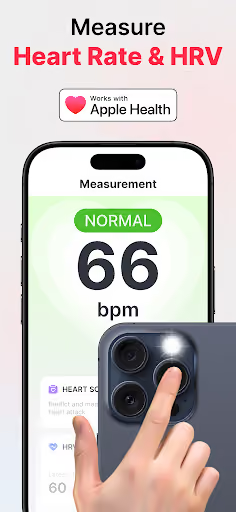
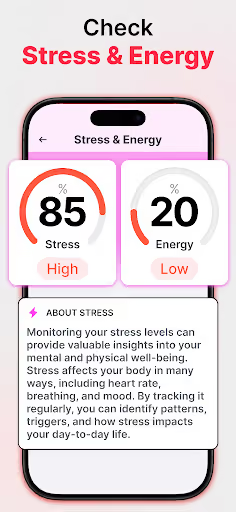
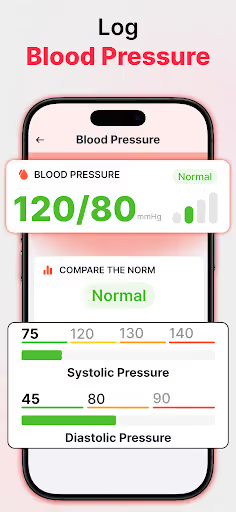
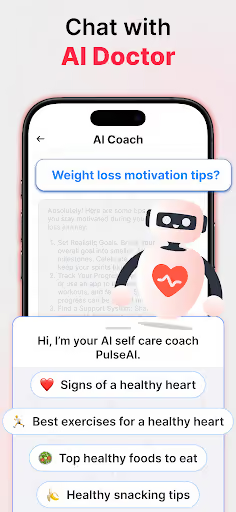
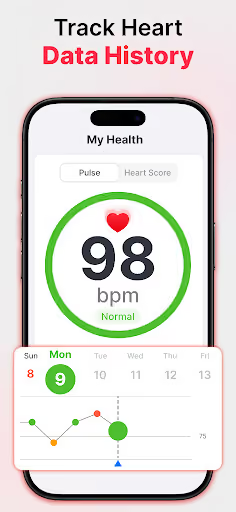
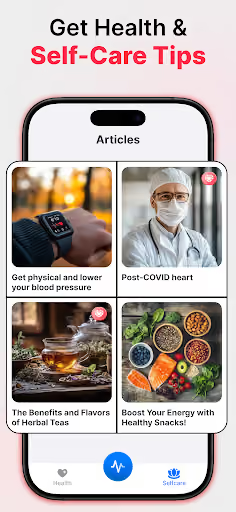
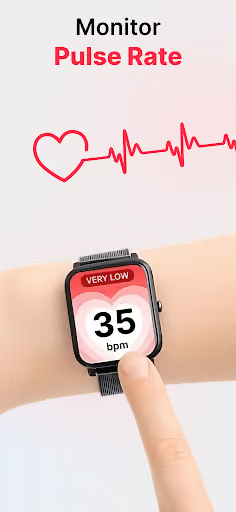
Heart Rate Monitor - HeartIn is a free wellness app for camera-based pulse checks, HRV estimates, wellness scores, step/activity tracking, mental-wellness self-assessments, Wear OS syncing, and manual blood pressure or SpO₂ logs. The listing has a 4.2★ lifetime rating and reported installs rising from 8,868,444 on 2026-08-10 to 9,087,444 on 2026-10-24.
What it does
Uses the phone camera and flash for pulse readings, then wraps that with logs, wellness scores, articles, assessments, and optional smartwatch support.
What changed
Recent reviewers describe the app as taking a measurement first, then asking for payment before showing the result, with weekly charges and trial conversion causing anger.
Why it is soft
The opening is not a missing feature; it is trust. Users want the basic pulse number shown plainly, clearer pricing, fewer popups, and more believable accuracy.
Strengths
This is not a dead app. Some reviewers say the pulse check helped them notice a low heart rate, compare readings with doctors, or feel less anxious, and the app still has a broad wellness feature set plus a large install base a newcomer would not have. The negative reviews are intense, but the retained appeal is obvious: people do want a simple phone-based vitals diary.
Clear demand
Users are downloading a wellness tracker because they want quick reassurance, trend history, and a place to record readings.
Habit surface
Daily pulse checks, BP logs, and wellness charts are repeat-use behaviors, not one-off utility actions.
Broad feature umbrella
HeartIn bundles pulse, HRV, BP logs, SpO₂ logs, steps, workouts, mental-health quizzes, and content, which makes the category feel larger than a single BPM tool.
Market gap
The complaint clusters are unusually practical: people are not asking for exotic diagnostics; they are asking for the app to stop hiding the basic result, stop surprising them with charges, and stop overstating what a camera reading can do.
Paywall after effort
The most common complaint: users take a pulse test and only then learn they must pay to see the result.
Billing and refunds
Several reviewers describe accidental subscriptions, weekly charges, unclear trial conversion, duplicate charges, or trouble getting refunds.
Accuracy skepticism
A recurring group says readings are wildly wrong, work on red objects, or cannot be trusted if the pulse number itself is inaccurate.
Popups, ads, prompts
Reviewers also complain about intrusive ads, subscription popups, confusing navigation, and repeated review prompts.
I HHHAAATTTEEE apps that will have you go through the whole process and then at the end conveniently show the subscription page to unlock the results. You want to convince me to sign up for a monthly subscription? Don't waste my time with shady tactics
literally laid my phone on a piece of red cloth and the cloth had a pulse of 110. lol trash app.
Started as a very useful app but gradually changed their model to ad inflation. It's a health app that is INFESTED with ads. You cannot even TAP on a different tab without getting an ad back to back
- Show the pulse result for free, every time. The competitor position is simple: no hostage results. Charge only for long-term trends, export, reminders, or device sync.
- Be brutally clear about limits. Do not imply blood pressure, oxygen, sugar, diagnosis, or emergency usefulness from a camera pulse app; make manual logs and wellness disclaimers visible.
- Win on calm UX, not more features. No forced quiz, no maze of popups, no weekly surprise charge, and no review request before measurement.
Build complexity
Estimated, not derived: one developer, part-time, no funding, and no paid acquisition. The v1 should be narrower than HeartIn: camera pulse, manual BP/SpO₂ notes, trend charts, reminders, export, transparent billing, and careful wellness-only disclaimers.
| Workstream | Weeks |
|---|---|
| Camera PPG pulse capture, retake handling, and calibration UX | 3.0 |
| Manual BP/SpO₂/notes log with local storage | 1.5 |
| Trend charts, reminders, and CSV export | 2.0 |
| Onboarding, disclaimers, privacy controls, and Play policy review | 1.5 |
| Billing, free tier limits, listing, testing, and launch polish | 2.0 |
| Total | 10.0 |
Expected revenue
Estimated, not derived: use a free basic pulse result plus a low-friction $2.99/month subscription for unlimited history, export, reminders, and multi-device backup. The month-12 funnel is deliberately modest because a solo app starts with no reviews, no medical brand, and no paid acquisition.
| Month 12 funnel | ||
|---|---|---|
| Installs | 3,000 | organic estimate |
| Activated | 1,350 | 45% assumption |
| Retained | 600 | 20% assumption |
| Paid | 300 | $2.99/month |
| Revenue | $900 | month-12 MRR |
Biggest challenges
The hard part is not making a pretty logbook; it is earning trust in a health-adjacent category while avoiding claims that trigger user backlash or platform scrutiny. A solo builder also has to compete against Samsung Health, watches, cuffs, and apps with far more reviews.
Cold-start trust
A new pulse app starts with no reviews in a category where users are already suspicious of scams and fake measurements.
Accuracy burden
Camera PPG varies by phone, lighting, skin contact, motion, and finger placement; bad readings will immediately become one-star reviews.
Policy and claims risk
Marketing must stay wellness-only. Any hint of diagnosis, emergency use, blood pressure measurement by camera, or disease detection is dangerous.
AI angle
There is no strong AI moat here. The gap is billing transparency, UX restraint, and believable camera signal processing, not generative AI. AI could help write health-content summaries or explain trends in plain language, but that also increases medical-claim risk and should not be the core differentiator.
Useful but secondary
AI can turn logs into gentle wellness observations such as “your resting readings were higher after poor sleep,” if phrased cautiously.
Do not overreach
Do not use AI to diagnose, triage emergencies, estimate blood pressure from a camera, or imply clinical accuracy.
Conclusion
Build a narrow version, not a full clone. The opening is real because reviewers are angry about paywalls, weekly charges, and trust. But a solo builder should avoid the broad wellness super-app and ship a transparent pulse-plus-log tool with modest revenue expectations.
Time to v1
Optional Pro, free pulse result
Month-12 MRR
Fact that decided it