Abstract
ADT Control has a real product wound: recent reviewers repeatedly say the new UI made arming, cameras, locks, alerts, and settings slower or harder. But a solo builder cannot simply replace the ADT app because the value is locked inside ADT hardware, monitoring, contracts, support, and account systems. The realistic opportunity is not an ADT-compatible clone; it is a small, switcher-focused DIY security dashboard for people leaving ADT.
Background
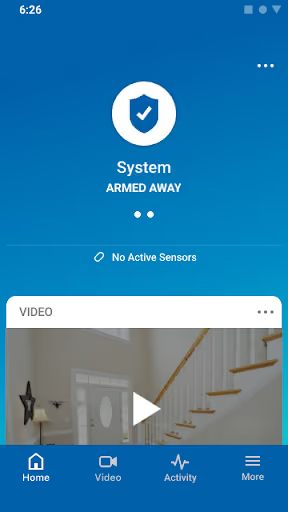
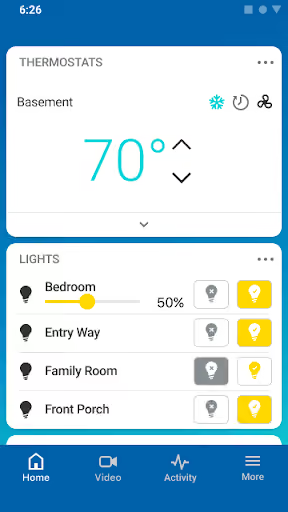
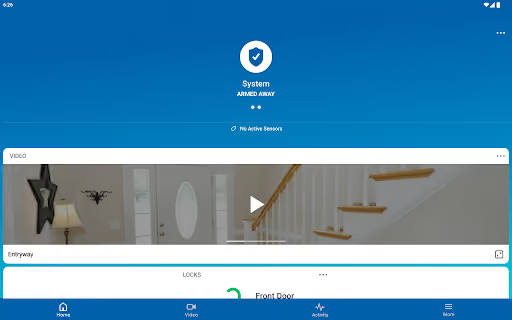
ADT Control ® is the mobile control app for ADT Command smart home and business security systems, covering arm/disarm, cameras, locks, lights, thermostats, alerts, scenes, and schedules. The app still shows a 4.5★ lifetime average and recent install snapshots continue rising, but the long recent reviews show a sharp backlash around the redesigned interface and reliability.
What it does
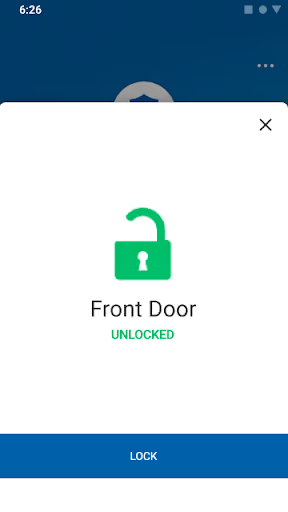
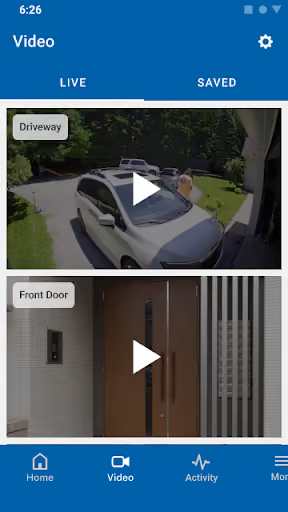
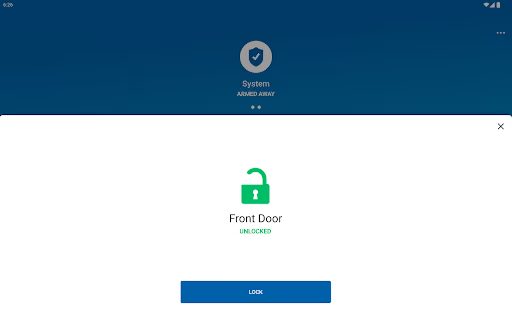
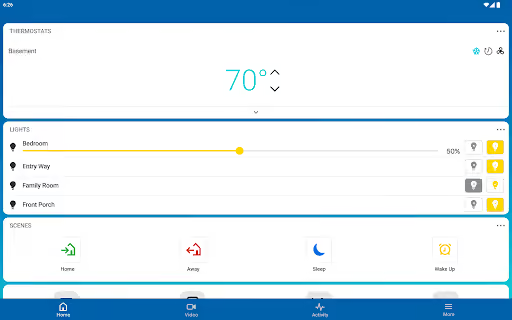
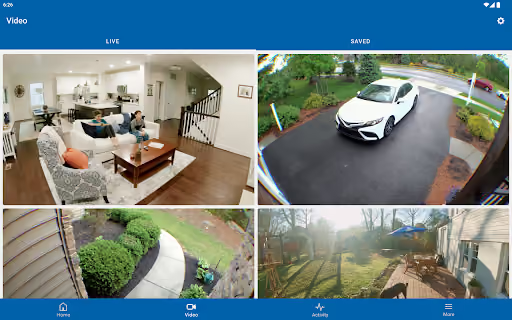
Remote security control: arm/disarm, live camera viewing, lock control, alerts, lighting, thermostat control, and automations for ADT customers.
What changed
Recent reviewers describe a new home screen and UI that added scrolling, extra taps, cluttered widgets, smaller camera views, broken settings, and lost one-tap workflows.
Why it is soft
Users are angry enough to mention switching, but the incumbent’s moat is unusually strong: installed equipment, monitoring service, contracts, brand trust, and private integrations.
Strengths
This is not a weak incumbent. ADT Control is attached to a real-world security system, not just an app habit. Some reviewers still say the system gives peace of mind, the app works well once learned, and ADT reached out to help. A new entrant would have to win trust in a category where mistakes feel higher-stakes than a normal productivity app.
Installed base
The install snapshots go from 2,798,511 to 2,863,058 during the period provided, so distribution and brand pull remain real despite the complaints.
Full-stack moat
The app controls ADT panels, cameras, sensors, accounts, and service workflows. A solo app cannot reproduce that without hardware access and monitoring relationships.
Habit and urgency
Customers open this app for urgent moments: arming, disarming, checking a doorbell, or responding to an alert. That habit is valuable and hard to displace.
Market gap
The complaints cluster around a botched redesign and reliability failures, not around demand. People want the app to be simpler, faster, more predictable, and more under their control.
New UI slowed core actions
The most common recent theme is that the redesigned home screen buried security basics behind bigger cards, carousels, extra taps, scrolling, and irrelevant widgets.
Camera and alert latency
Reviewers describe delayed doorbell notifications, slow live view, missed motion events, freezing video, offline cameras, and recordings that appear after the moment has passed.
Lost owner control
People ask for sensor bypassing, clear device status, lock and battery visibility, bulk clip deletion, better automations, shared access, and simpler account management.
Support and login failures
Several reviewers say password resets, account access, chat support, bots, and phone support made the app failure worse rather than resolving it.
The new app is terrible. Please include an option to revert to the old one's layout home screen. The old one was just fine and it's better to see full images of each camera and just be able to scroll through them on the home screen like it was. I was already considering a new alarm company, if this doesn't change it may push me over to another. A suggestion, beta test your changes with some of your customers.
App has almost no functionality. No status, bypassing, anything useful. Sensor events are time stamped out of order and random event reporting latency sometimes minutes. This ain't your old Impassa system.
New app is embarrassingly awful. Who OK'd this? Not only is the UI an absolute disordered mess, the app is completely broken. Tons of essential features and settings completely not functioning. There's no chance this was properly tested before release. Look, not only do we pay hefty monthly subscriptions but this is our personal security, homes, and businesses we're talking about here. If this isn't fixed immediately you're looking at a class action lawsuit. Great job guys.
- Do not build an ADT-compatible clone. The complaints prove demand for a better control surface, but ADT account, alarm, camera, and monitoring integrations are not available to a solo builder as a clean replacement surface.
- Build for switchers, not captives. Position the product as a simple DIY dashboard for open cameras, sensors, locks, and hubs, with clear migration guidance for users who are already considering leaving.
- Lead with one-screen security basics. The wedge should be fast arm state, live cameras, lock status, recent events, and bypass-style modes without weather widgets, carousels, or hidden controls.
Build complexity
Estimated, not derived: one developer, part-time, no funding, and no paid acquisition. This assumes a non-monitoring DIY dashboard using accessible smart-home and camera integrations, not an ADT replacement that controls ADT Command accounts.
| Workstream | Weeks |
|---|---|
| Android app shell, auth-light local setup, core dashboard | 2.0 |
| Open camera and smart-home integrations | 4.0 |
| Live view, event history, push notifications | 3.0 |
| Rules, modes, bypass-style profiles, device status | 2.0 |
| Onboarding, billing, Play listing | 1.5 |
| Security review, QA, edge-case testing | 1.5 |
| Total | 14.0 |
Expected revenue
Estimated, not derived: with no paid acquisition, assume slow organic discovery from people searching for simpler DIY security control. Pricing is $6/month for multi-device dashboards, notifications, and rules, with a free local trial.
| Month 12, monthly | ||
|---|---|---|
| Installs | 1,500 | organic |
| Activated | 500 | connected at least one device |
| Retained | 300 | still using after setup |
| Paid | 200 | $6/month |
| Revenue | $1,200 | monthly recurring |
Biggest challenges
The hard part is not copying the screens; it is earning security-category trust while avoiding integrations you cannot legally or technically support. A solo builder should not promise emergency dispatch, ADT compatibility, or safety guarantees.
No ADT control path
Without an official ADT app-control API, the direct clone is blocked. Scraping or unofficial access would be fragile and risky.
Security liability
A missed alert or confusing arm state can feel like a safety failure. The app needs conservative copy, testing, and clear limits.
Hardware support matrix
Cameras, locks, sensors, and hubs vary widely. Supporting a small, explicit compatibility list is safer than promising universal home security.
Cold-start trust
A new security app with no reviews has to overcome fear. Transparent privacy, local-first design, and narrow scope matter more than feature volume.
AI angle
There is no strong AI moat here. The painful jobs are fast controls, reliable device state, clear UX, and trustworthy integrations. AI could help generate setup guides or summarize device logs during troubleshooting, but it should not decide alarm state, suppress alerts, or be marketed as the core security feature.
Useful AI
Device-specific onboarding, error explanation, and support-note drafting could reduce solo support load once the basic product works.
Bad AI
AI-driven alarm decisions, vague threat detection, or chatbot-first support would repeat the exact trust problem reviewers complain about.
Conclusion
Skip it. The complaint is real and loud, but the direct competitor is not solo-builder friendly because ADT owns the hardware, accounts, monitoring relationship, and customer trust. Build only if you narrow the idea to a DIY switcher dashboard and accept a modest month-12 target.
Time to v1
Subscription model
Month-12 revenue
Fact that decided it