Abstract
TV Remote - Universal Control has scale, a 4.2★ lifetime rating, and more than 15.2M installs in the latest data, but recent long-form reviews repeatedly complain about basic remote controls being paywalled, hard-to-cancel trials, constant reconnects, and TVs that cannot be controlled when the physical remote is missing.
Background
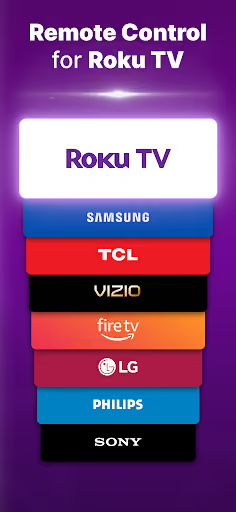
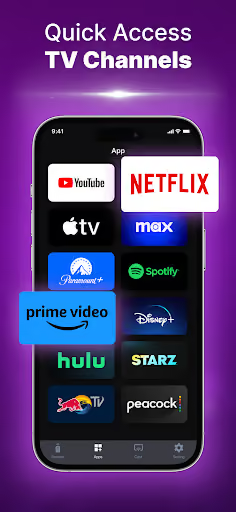
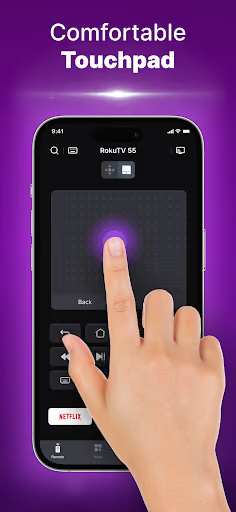
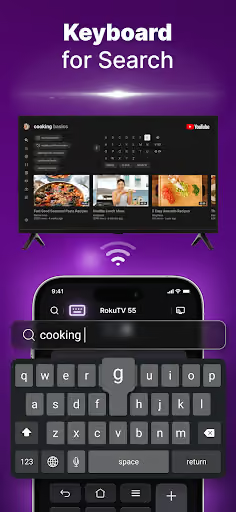
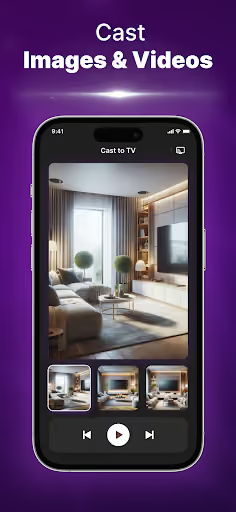
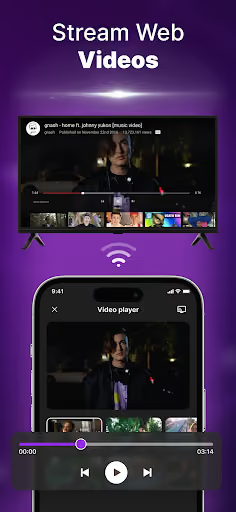
TV Remote - Universal Control is a free Play Store app for controlling Smart TVs over WiFi, advertising support for Roku, Samsung, LG, Fire TV, Android TV, Sony, TCL, Vizio, Hisense, touchpad navigation, keyboard input, voice search, screen mirroring, and casting.
What it does
Detects Smart TVs on the same WiFi network and turns the phone into a remote for common controls, navigation, input, channel launch, and typing.
What changed
Reviewers describe core actions like volume, OK, pause, mute, and continued button presses being blocked by premium prompts, trials, or subscription screens.
Why it is soft
The gap is not that nobody wants a phone remote; it is that users who lost the real remote feel trapped by paywalls, cancellation friction, and unreliable pairing.
Strengths
This is not a dead product: it still has a large installed base, a 4.2★ lifetime average, and several positive reviews saying it connects quickly, covers the main functions, or beats other remote trials. A new entrant would be competing against search visibility, habit, and the simple fact that many users only need the app in an urgent “lost remote” moment.
Broad promise
The incumbent advertises many TV brands and features beyond buttons, including keyboard, touchpad, voice search, mirroring, and casting.
Urgent use case
Reviews repeatedly come from people who lost or broke a remote, which means the buyer intent is immediate and practical.
Some users pay
A few reviewers explicitly say they paid and liked it, so the category can monetize when the app works and the payment feels fair.
Market gap
The market gap is an “honest remote” rather than a more feature-heavy remote: let users test compatibility, keep essential controls usable, make cancellation unnecessary by avoiding subscriptions, and explain TV limitations before asking for money.
Paywalls on basic controls
The most common complaint is that a remote app advertised as free quickly blocks ordinary remote actions behind premium prompts or trials.
Cancellation and billing distrust
Many angry reviews are not just about price; they say users cannot find how to cancel, continue being charged, or had to contact banks or Google Play.
Connection reliability
Reviewers mention constant reconnecting, blank screens, long startup, TVs not being detected, or working for one evening and then failing.
Physical-remote paradox
A painful subset says setup requires the TV or original remote to do something first, which defeats the purpose for users who installed because the remote is missing.
It worked fine for the first few clicks, then wouldn't let me do anything further without paying a subscription. I can deal with ads for it being free, but it wouldn't let me use it at all. Every click took me to the screen where it wants me to pick a subscription plan.
I tried the 7 day trial to see if the remote worked on my TV and it doesn't let you cancel. I couldn't cancel and they've been charging me since. almost a year. ive put in for it to end plenty of times put in claims for refunds and nothing. Just got the bill again yesterday. im calling my bank to have the account blocked because the app nor Google play is doing anything about it. now I have to figure out a person to go pro Bono to get back the 60 dollars they've robbed from me
have to constantly reconnect, even 30 seconds later. never connects the first time. have to close it and reopen it and try to connect again.
- Make essential controls free forever. Power, volume, OK/select, back, direction pad, and mute are the trust-building core; paywall extras only after the user proves the TV works.
- Sell a one-time unlock, not a weekly subscription. The backlash is strongly tied to recurring billing, trials, and cancellation anxiety; a $9.99 lifetime unlock is easier to understand.
- Show compatibility limits before payment. If a TV must already be on WiFi, powered on, or paired with the original remote, say that in the setup flow instead of letting users discover it after paying.
Build complexity
Estimated, not derived: one part-time solo developer, no funding, no team, and no paid acquisition. A true universal remote is hard; this v1 assumes basic WiFi remote support across the advertised major TV families, with clear disclaimers that not every model will work.
| Workstream | Weeks |
|---|---|
| TV discovery, pairing, and compatibility test flow | 3 |
| Core remote protocols for Roku, Android TV, and Fire TV | 3 |
| Basic adapters for Samsung, LG, Sony, TCL, Vizio, and Hisense | 4 |
| Remote UI, touchpad, keyboard, and free-control gating | 2 |
| Reconnect handling, blank-screen recovery, and diagnostics | 2 |
| One-time unlock, privacy copy, Play listing, and device QA | 2 |
| Total | 16 |
Expected revenue
Estimated, not derived: no paid acquisition, a $9.99 one-time lifetime unlock, free essential controls, and organic installs from users searching for an alternative to subscription remotes. Month-12 revenue is modeled as monthly sales revenue, not a claim about review counts.
| Month 12 funnel | Users | Assumption |
|---|---|---|
| Installs | 1,200 | Organic search only |
| Activated | 540 | 45% pair or reach test mode |
| Retained | 300 | Still useful after setup |
| Paid | 180 | Buy $9.99 unlock |
| Revenue | $1,800 | Rounded month-12 revenue |
Biggest challenges
The hardest part is not drawing a remote UI; it is earning store trust with zero reviews while supporting messy TV compatibility without a funded device lab. The incumbent can survive complaints because it already has millions of installs; a new app gets punished immediately if pairing fails in the first minute.
Cold-start trust
Users already suspect remote apps of being traps, so your listing, trial flow, and first-run screens must over-explain what is free and what is paid.
Device coverage
The app description itself says compatibility with every model cannot be guaranteed; a solo builder will struggle to test the long tail of TVs.
Support burden
Lost-remote users are frustrated before they install; every failed pairing turns into a refund, one-star review, or support email.
AI angle
There is no strong AI angle here. The complaints are about pricing, cancellation, pairing reliability, and basic controls, none of which becomes materially easier because of AI. Voice search is already in the incumbent’s feature list, and adding an AI assistant would not fix the trust gap.
Do not use AI for positioning
Calling it an AI remote would distract from the real promise: free essentials, clear compatibility testing, and no subscription traps.
Useful only internally
AI could help draft support replies or summarize crash reports, but it should not change the build estimate or revenue estimate.
Conclusion
Build it. But do not build a flashy universal clone; build a narrow, transparent, one-time-purchase remote that wins on trust. The demand is proven, the incumbent’s complaints are clear, but the protocol and device-testing burden keeps this from being an easy solo-builder win.
Time to v1
One-time lifetime unlock
Month-12 revenue
Installed base proving demand