Abstract
Coffee Meets Bagel has a real review-level opening: users complain that likes, matches, preferences, chats, login, and trust all feel worse than the serious-dating promise. But a dating app is a two-sided marketplace, so this is not a clean solo-builder steal; the realistic play is a narrow local or community-based competitor, not a broad CMB clone.


Background
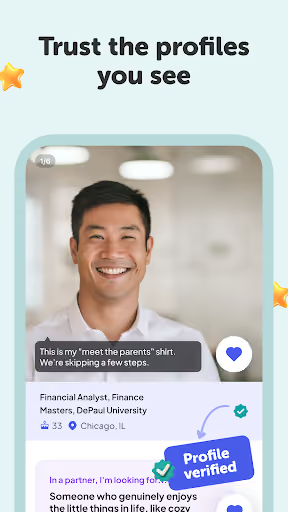
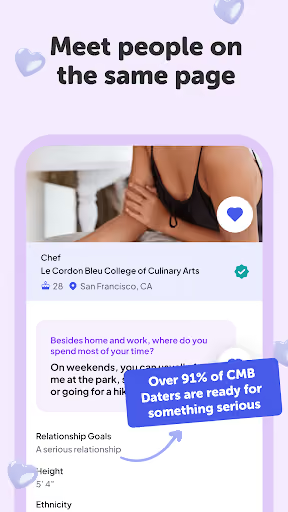
Coffee Meets Bagel: Dating App is a free relationship-focused dating app for North America and the Caribbean, with a 3.3★ lifetime rating and installs rising from 878,169 on 2026-08-09 to 902,836 on 2026-10-23. The listing promises curated matches, detailed profiles, serious daters, chat limits, Premium, and Platinum upgrades.
What it does
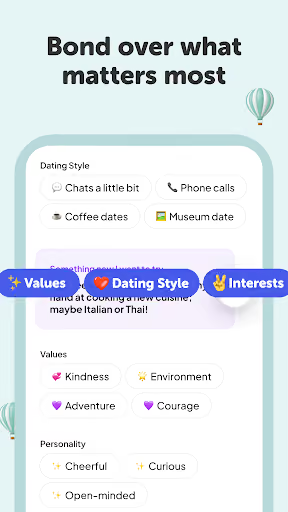
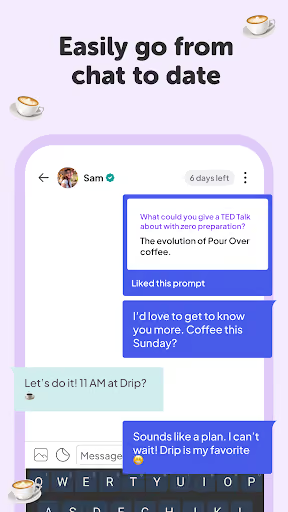
Curated daily dating profiles, likes, chats, preferences, flowers, boosts, read receipts, and paid tiers aimed at people seeking serious relationships.
What changed
Reviewers repeatedly say the app now hides likes, limits suggestions, pushes flowers or beans, ignores dealbreakers, and makes matching feel pay-to-play.
Why it is soft
The brand still has scale, but the complaint is not one isolated bug; it spans monetization, matching quality, reliability, support, and trust.
Strengths
CMB is not a strawman. It still has a recognizable brand, a large install base, and a differentiated serious-dating position compared with swipe-heavy apps. The listing claims over 150 million matches, and the review set includes users who report quick dates, relationships, and even weddings. A new entrant would have to recreate not just screens, but trust, moderation, and enough active people in the same geography to make the app feel alive.
Serious-dating positioning
Users still come to CMB expecting less casual intent than Tinder-style apps, which is a valuable brand habit.
Profile depth
The product emphasizes goals, values, kids, education, prompts, and relationship intent; several complaints assume those filters should matter.
Some success stories remain
Positive reviews in the same period mention a fast match, a date, and marriage plans, so the core promise is not impossible.
Market gap
The market gap is clear, but it is painful: users want a serious dating app where essential matching is not hidden behind payment, dealbreakers are respected, and basic app reliability is boringly dependable.
Paywalled matching
The most common complaint: users believe likes, visibility, flowers, beans, Premium, or Platinum are required before the app can produce a useful match.
Bad or empty recommendations
Many reviewers say they see very few daily profiles, repeat profiles, people outside preferences, or no results even in large metro areas.
Broken core flows
Blank screens, failed logins, missing photos, missing chats, verification problems, and unresolved support tickets turn a sensitive product into a trust problem.
Fake-profile distrust
Several users mention bots, fake locations, scammers, suspicious profiles, or unexplained bans, which is especially damaging in dating.
Am I understanding this right? The only way I can see if someone likes me is if either I pay for Premium or they use a flower (which is also paid) to like me? the only way I can see if there's a match is if either one of us pays? How can you continue to run an app with this many negative reviews? All of the most recent are 2 stars or below. I have had 7 likes for a week, but they're hidden behind a pay wall. I have no confidence that my likes are going through as a free user.
It used to be ok, then turned to a money grab. I used to be able to see who liked me, I used to be able to make some matches. but then there was an update a while back. The app is so locked down. I'm lucky to get a noon profile a week, when I used to get like 10 a week. I haven't gotten a single match since the update. Don't bother with this app unless you intend to pay.
I just bought some tokens and I can't even use them to send a flower. instead I get an error. This app is terrible It constantly freezes when I open it up. I have to close it and wait for a few minutes. when I look at a profile most photos won't appear, not even if I wait for over 5 minutes. I have never gotten a reply from anyone while using this app. I have gotten to speak with people on other apps but this one has a lot of absentee users which makes finding someone on this app very difficult.
- Do not clone CMB nationally. Launch around one city, campus, faith group, professional niche, or creator audience where you can seed both sides manually.
- Make mutual matching and chat genuinely free. Charge only for convenience features, not for seeing whether the product works at all.
- Win on reliability and trust before features. Respect dealbreakers, show why each profile appears, keep chats visible, and make reporting or support feel human.
Build complexity
Estimated, not derived: one part-time developer, no funding, no team, and no paid acquisition. The technical build is manageable, but trust, moderation, and marketplace liquidity make this much harder than an ordinary CRUD app.
| Workstream | Weeks |
|---|---|
| Niche positioning, onboarding flow, and launch community setup | 2.0 |
| Profiles, prompts, preferences, and discovery queue | 3.0 |
| Mutual likes, chat, notifications, and safety limits | 3.0 |
| Reporting, blocking, moderation tools, and basic verification | 3.0 |
| Payments, admin dashboard, analytics, and support tooling | 2.0 |
| QA, Play Store policies, privacy, abuse testing, and launch polish | 3.0 |
| Total | 16.0 |
Expected revenue
Estimated month-12 funnel: price the app as an optional $9/month supporter plan for extras such as more daily intros, profile boosts, or advanced filters, while keeping mutual likes and chat free. With no paid acquisition, revenue depends on a small niche launch working rather than broad store discovery.
| Month 12, monthly | ||
|---|---|---|
| Installs | 1,200 | organic and community-led |
| Activated | 650 | completed profile |
| Retained | 250 | active in the month |
| Paid | 100 | $9/month supporter |
| Revenue | $900 | MRR |
Biggest challenges
The hard part is not building swipe cards. It is getting enough real people in the same place, keeping scammers out, handling safety reports responsibly, and convincing users to trust a new dating app with photos, identity, location, and emotional risk.
Cold-start liquidity
A dating app with clean UX still feels broken if the first users see no relevant people nearby.
Trust and safety burden
Reports, harassment, fake profiles, bans, and appeals become founder support work immediately.
Store and policy risk
Dating, subscriptions, user-generated content, privacy, and verification all increase review and compliance surface area.
AI angle
There is a real but limited AI angle: AI can reduce the cost of moderation and trust tooling, not solve the marketplace problem. A solo builder can use AI to flag likely scam text, duplicate-looking profiles, low-effort bios, inconsistent locations, or abusive messages for review. It should assist human decisions, not automatically ban users in a sensitive dating context.
Useful AI assist
Profile-quality nudges, scam-pattern detection, report triage, and suggested safety responses make the moderation workstream less manual.
Not a moat
AI does not create local liquidity, establish dating trust, or remove the need for human support when users are banned, harassed, or charged.
Conclusion
Skip it. Do not build a broad CMB competitor as a solo part-time project. The complaints are real and the product gap is obvious, but dating apps are punished by network effects, safety work, and cold-start trust. If you already control a niche audience, build the narrow version; otherwise, this is a low-revenue, high-support trap.
Time to v1
Optional supporter plan
Month-12 revenue
Incumbent installs on 2026-10-23